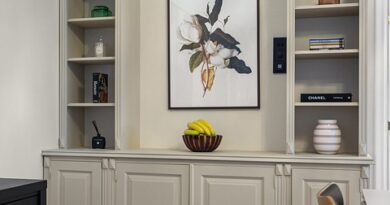
Maximizing Space: How to Choose the Right Size for Your Multi-Family Property
Maximizing Space: How to Choose the Right Size for Your Multi-Family Property
Investing in multi-family properties can be a lucrative venture, but it requires careful planning and decision-making, especially when it comes to maximizing space. Choosing the right size for your multi-family property is crucial in achieving high occupancy rates and maximizing rental income. In this article, we will discuss some key factors to consider when determining the size of your multi-family property.
Understanding Market Demand
Before purchasing a multi-family property, it is important to understand the local market demand for rental units. Are there many families looking for spacious apartments or is there a higher demand for smaller, more affordable units? Conducting market research and talking to local real estate agents can help you determine the ideal size of units for your multi-family property.
Consider the Target Tenant
When deciding on the size of your multi-family property, it is important to consider the target tenant demographic. For example, if you are targeting young professionals, they may prefer smaller, more affordable units with modern amenities. On the other hand, if you are targeting families, you may want to offer larger units with multiple bedrooms and ample living space.
Maximizing Unit Mix
To maximize rental income and appeal to a wider range of tenants, it is important to have a mix of unit sizes in your multi-family property. Offering a variety of unit sizes, from studios to three-bedroom apartments, can attract a diverse pool of tenants and increase the overall occupancy rate of the property.
Efficient Use of Common Areas
In addition to unit sizes, it is important to consider the layout and use of common areas in your multi-family property. By efficiently utilizing common areas such as lobbies, hallways, and outdoor spaces, you can create a more appealing living environment for tenants and maximize the overall space of the property.
Optimizing Floor Plans
When designing the floor plans for your multi-family property, consider ways to optimize space and functionality. For example, open concept layouts can create a sense of spaciousness and flexibility, while including ample storage space in each unit can help tenants maximize their living space.
Implementing Smart Technology
Incorporating smart technology in your multi-family property can also help maximize space and increase tenant satisfaction. Smart features such as keyless entry systems, programmable thermostats, and energy-efficient appliances can make living spaces more efficient and comfortable for tenants.
Balancing Size and Rental Rates
When determining the size of your multi-family property, it is important to strike a balance between unit size and rental rates. Offering larger units with higher rental rates may attract a certain demographic of tenants, but it is important to ensure that the rental rates are competitive in the local market.
Considering Future Trends
Finally, when choosing the size of your multi-family property, consider future trends in the rental market. For example, with the rise of remote work and telecommuting, there may be an increased demand for home office spaces in multi-family properties. By staying ahead of these trends, you can ensure that your property remains attractive to tenants in the long term.
In conclusion, maximizing space in your multi-family property requires careful consideration of market demand, target tenant demographics, unit mix, common areas, floor plans, smart technology, rental rates, and future trends. By choosing the right size for your multi-family property and implementing these strategies, you can maximize rental income, attract quality tenants, and achieve long-term success as a multi-family investor.