
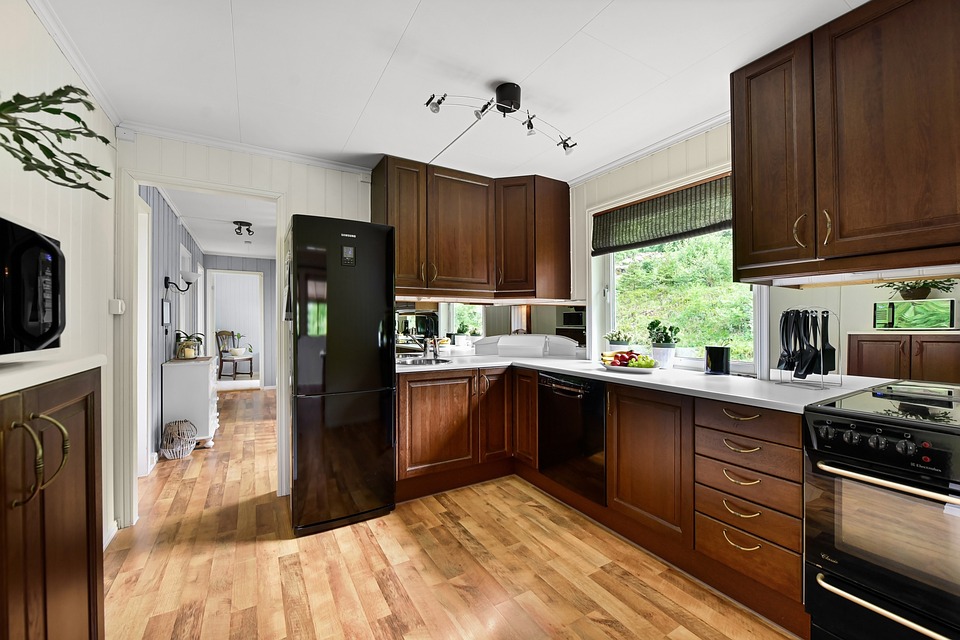
Navigating Building Codes: Essential Strategies for Successful Fix and Flips
Navigating Building Codes: Essential Strategies for Successful Fix and Flips
When it comes to real estate fix and flips, navigating building codes is a crucial step in ensuring a successful project. Building codes are regulations set by local governments to ensure the safety and structural integrity of buildings. Violating these codes can result in costly fines and delays in your project. In this article, we will discuss essential strategies for navigating building codes effectively for your fix and flip property.
Understanding Building Codes
The first step in navigating building codes for your fix and flip project is to understand the regulations that apply to your property. Building codes can vary greatly from one jurisdiction to another, so it is essential to research and familiarize yourself with the specific codes that apply to your property. This may include zoning codes, building codes, fire codes, and electrical codes, among others.
Consulting with a qualified professional, such as a real estate attorney or a licensed contractor, can help ensure that you are meeting all the necessary regulations for your fix and flip project. They can provide guidance on what needs to be done to bring your property up to code and avoid potential violations.
Obtaining Permits
One of the most important aspects of navigating building codes is obtaining the necessary permits for your fix and flip project. Permits are required for various aspects of your project, including demolition, construction, plumbing, and electrical work. Failing to obtain the proper permits can result in costly fines and even legal action.
Before starting any work on your property, it is essential to check with your local building department to determine what permits are required for your project. The process of obtaining permits can be time-consuming and complex, so it is essential to start this process well in advance of your projected start date.
Working with Licensed Professionals
Navigating building codes can be a challenging task, especially for someone who is not familiar with the regulations. Working with licensed professionals, such as contractors, architects, and engineers, can help ensure that your fix and flip project meets all the necessary building codes and regulations.
Hiring licensed professionals who have experience working in your local area can provide valuable insights into the specific requirements and regulations that apply to your property. They can also help you navigate the permitting process and ensure that your project is completed in compliance with all building codes.
Regular Inspections
Throughout your fix and flip project, it is essential to schedule regular inspections to ensure that your property is meeting all the necessary building codes and regulations. Inspections are typically required at various stages of the project, including rough framing, plumbing, electrical, and final inspections.
Failing to schedule these inspections can result in costly delays and potential violations. By staying on top of the inspection process, you can address any potential issues or violations before they become major problems, saving you time and money in the long run.
Staying Up to Date on Regulations
Building codes are constantly evolving, with new regulations and requirements being introduced regularly. Staying up to date on these changes is essential for ensuring that your fix and flip project meets all the necessary building codes and regulations.
One way to stay informed about changes in building codes is to join local real estate associations or attend industry events and seminars. These resources can provide valuable insights into the latest regulations and requirements that may impact your fix and flip project.
Conclusion
Navigating building codes is a critical aspect of a successful fix and flip project. By understanding the regulations that apply to your property, obtaining the necessary permits, working with licensed professionals, scheduling regular inspections, and staying up to date on regulations, you can ensure that your project meets all the necessary building codes and regulations. Following these essential strategies can help you avoid costly fines and delays, ultimately leading to a successful fix and flip property.


